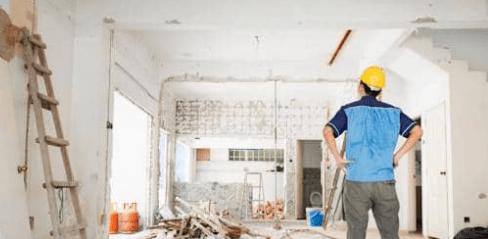
Yes, indoor air quality can become worse after a home renovation, even when the finished space looks clean and new. Renovation work can release construction dust, fine particles, volatile organic compounds (VOCs), formaldehyde, odors, and other pollutants into the air. It can also disturb hidden mold, asbestos-containing materials, or accumulated dust inside walls and HVAC systems. Poor ventilation can make the problem worse by allowing pollutants to remain indoors.
The good news is that poor air quality after remodeling is often manageable once the source is identified. Indoor Air Quality Testing in Long Island can help determine whether pollutants are present and provide useful information when unusual odors, dust, moisture, or other indoor air concerns continue after construction.
Why Does Indoor Air Quality Get Worse After Renovation?
Renovation changes the indoor environment in several ways. Materials are cut, sanded, painted, glued, installed, removed, and sometimes exposed to moisture. Each activity can introduce or release pollutants.
The U.S. Environmental Protection Agency (EPA) identifies new materials, disturbed existing materials, inadequate ventilation, moisture, dust, and chemicals used during remodeling as important indoor air quality concerns.
A renovation can therefore improve the appearance, comfort, and value of a home while temporarily making its indoor air less healthy.
The main causes usually fall into a few categories: construction dust, chemical emissions, poor ventilation, moisture problems, disturbed contaminants, and pollutants circulating through the HVAC system.
Construction Dust Can Remain After the Work Is Finished
Dust is one of the most common reasons indoor air quality becomes worse during and after remodeling.
Activities such as demolition, drywall cutting, sanding, drilling, sawing, flooring installation, and removal of old materials can create large amounts of airborne particles. Some particles settle on floors and furniture, while finer particles can remain suspended in the air or become trapped in fabrics and other surfaces.
Dust can also enter areas outside the immediate work zone when the renovation area is not properly isolated.
The EPA recommends containing renovation dust with barriers, using low-dust work practices, and providing appropriate exhaust ventilation during remodeling.
Even after contractors leave, settled dust may be disturbed by normal household activity. Walking across floors, moving furniture, operating fans, or turning on an HVAC system can put particles back into the air.
This is why simply looking around and seeing no visible dust does not necessarily mean the air is free of particles.
New Building Materials Can Release VOCs
Another major issue after renovation is the release of volatile organic compounds, commonly called VOCs.
VOCs are gases released by certain solids and liquids. They can come from many products commonly used during remodeling, including:
- Paints and varnishes
- Adhesives and glues
- Sealants and caulks
- Flooring products
- Cabinets and pressed-wood materials
- Cleaning products
- Some furnishings and finishes
According to the EPA, concentrations of many VOCs can be higher indoors than outdoors, and some VOCs can cause irritation and other health effects depending on the chemical, concentration, and duration of exposure.
New materials may continue releasing chemicals after installation. This process is often called off-gassing.
That explains why a recently renovated room may have a strong “new” smell even when the construction is complete. Odor alone does not tell you whether a pollutant is present or whether the concentration is harmful, but persistent chemical odors can be a reason to investigate ventilation and potential sources.
Paint and Finishes Can Affect Indoor Air Quality
Painting is one of the most common renovation activities, and many paints, stains, varnishes, and finishes can release VOCs.
The amount and type of emissions depend on the specific product and how it is used. Temperature, ventilation, humidity, and the amount of product applied can also affect how quickly chemicals leave the material.
The EPA recommends maximizing ventilation during and after activities that can release pollutants and notes that ventilation should continue after painting, finishing, flooring installation, and similar work.
This is particularly important when work is performed in bedrooms, living rooms, or other occupied areas where people spend many hours.
New Cabinets and Flooring Can Release Chemicals
Renovated kitchens, bathrooms, and living spaces often contain new cabinets, flooring, countertops, furniture, or other manufactured materials.
Some pressed-wood products and adhesives can release formaldehyde and other VOCs. Formaldehyde is used in the manufacture of various building materials and household products, including certain resins used in wood products.
The emissions may be strongest when materials are new, although some products can continue releasing chemicals for a longer period.
This does not mean every new cabinet or flooring product creates a dangerous indoor environment. It means that material selection, ventilation, and source control are important parts of maintaining good indoor air quality after renovation.
Renovation Can Disturb Hidden Mold
Renovation sometimes exposes areas that have been hidden for years.
A contractor may open a wall and discover old water damage. Flooring may be removed from an area that previously had a plumbing leak. Cabinets may be pulled away from a wall where moisture has accumulated.
If moisture has been present for a long time, mold or other microbial growth may be present.
The EPA notes that moisture problems should be addressed before or during remodeling because damp conditions can promote biological growth. It also identifies moisture control as an important part of maintaining good indoor air quality.
Renovation itself does not create mold instantly. However, disturbing a previously hidden moisture problem can release particles and spores into the indoor environment.
If musty odors, visible mold, recurring condensation, or unexplained moisture remain after renovation, the source should be investigated instead of simply masking the odor.
Old Asbestos or Lead Materials May Be Disturbed
Renovating an older home can also disturb materials that were installed decades ago.
Some older building materials may contain asbestos or lead. These materials can become a concern when they are cut, drilled, sanded, scraped, demolished, or otherwise disturbed.
The EPA specifically advises homeowners not to disturb asbestos-containing materials during remodeling and recommends using appropriate professionals when renovation could affect asbestos.
Lead is another consideration in older homes. For example, EPA advises treating paint in homes built before 1978 as though it contains lead unless testing shows otherwise. Renovation activities that create lead dust can affect indoor environmental quality.
This is one reason renovation planning should include an assessment of existing building materials, particularly when walls, ceilings, flooring, insulation, or old painted surfaces will be disturbed.
Poor Ventilation Can Trap Pollutants
Ventilation is one of the biggest factors affecting indoor air quality after remodeling.
During a renovation, homeowners often keep windows and doors closed to control temperature or prevent outdoor dust from entering. Contractors may also seal areas to contain construction debris. While containment is useful, the work area still needs a suitable ventilation strategy.
After the renovation, a newly sealed home can have less natural air exchange than before. New windows, air sealing, insulation, and other energy-efficiency improvements can reduce uncontrolled air leakage.
That is not necessarily a bad thing. A tighter home can be more energy efficient, but it needs adequate mechanical ventilation to remove indoor pollutants and bring in outdoor air.
The EPA explains that inadequate ventilation can allow indoor pollutants to build up because there is not enough outdoor air to dilute contaminants or carry them outside.
ASHRAE Standard 62.2 provides procedures for determining ventilation rates for residential buildings, and the EPA references this standard when discussing whole-house ventilation.
Renovation Can Affect Your HVAC System
Your heating and cooling system can also play a role in post-renovation air quality.
Construction dust can enter HVAC equipment and ductwork if registers and returns are not properly protected. Once the system operates again, accumulated dust may be distributed through the home.
The EPA recommends sealing registers in renovation areas during high-dust activities and using a ventilation strategy that prevents pollutants from spreading to other parts of the house.
Renovation is also an opportunity to inspect accessible ductwork, replace filters according to the equipment manufacturer’s instructions, and address obvious problems with the HVAC system.
However, homeowners should not assume that dirty ducts are automatically the cause of every indoor air quality problem. The actual source should be identified before expensive cleaning or equipment replacement is considered.
Moisture and Humidity Can Create New Problems
Renovation can change how moisture moves through a home.
For example, a bathroom remodel may involve new plumbing, walls, flooring, or ventilation. A basement renovation may change how the space is heated and ventilated. New insulation and air sealing can also change airflow and moisture conditions.
If water leaks behind a newly finished wall or humidity remains high, the problem can become hidden from view.
The EPA notes that high relative humidity can contribute to mold, dust mites, and other biological pollutants and recommends using kitchen and bathroom exhaust fans to control moisture.
A renovated home should therefore be evaluated for both air quality and moisture conditions when problems such as musty odors, condensation, or recurring dampness appear.
What Are the Signs of Poor Indoor Air Quality After Renovation?
You cannot always tell whether indoor air quality is poor just by looking at the room. Some pollutants are invisible and odorless.
However, certain conditions can indicate that further investigation may be useful.
Common warning signs include:
- Persistent chemical or paint odors
- Unusual musty smells
- Visible dust that returns quickly
- Excessive condensation
- Stuffy or stagnant air
- New moisture problems
- Visible mold growth
- Irritation that seems worse indoors
- Poor airflow or ventilation
- Construction dust spreading beyond the work area
These signs do not prove that a particular pollutant is present. They indicate that the indoor environment may need closer evaluation.
When Should You Consider Indoor Air Quality Testing?
Testing can be useful when there is a specific reason to investigate indoor air conditions.
For example, if a renovation has been completed but strong odors remain for weeks, visible dust continues to accumulate, or a moisture problem was discovered during construction, testing may help provide additional information.
Indoor Air Quality Testing in Long Island can also be considered when homeowners want an objective assessment after major renovation work, especially when the renovation involved multiple materials, significant demolition, moisture damage, or changes to ventilation.
Testing should not be treated as a substitute for fixing an obvious source. If there is an active plumbing leak, visible mold, or poor ventilation, the underlying problem should be corrected.
EPA’s general approach to improving indoor air quality is based on three main strategies: source control, improved ventilation, and air cleaning or filtration. Source control is generally considered the most effective approach when practical.
Testing can help determine what needs attention, but the solution should focus on controlling the source.
What Can Indoor Air Quality Testing Check?
The appropriate testing depends on the concerns present in the home.
A professional may evaluate different aspects of the indoor environment based on the property’s history, symptoms or complaints, renovation activities, visible conditions, and other observations.
Potential areas of evaluation may include particulate matter, VOCs, carbon monoxide, carbon dioxide, humidity, temperature, mold-related concerns, and other indoor environmental factors.
There is no single test that measures every possible indoor pollutant.
That is why a good assessment starts with understanding the problem rather than automatically testing for everything.
For example, persistent chemical odors after painting may lead to an investigation of VOC sources and ventilation. A musty smell near a remodeled basement may require attention to moisture and possible microbial growth.
This targeted approach can produce more useful information than an unfocused testing package.
How to Improve Air Quality After a Renovation
The first step is to identify and control the source.
Continue appropriate ventilation after using paints, finishes, adhesives, flooring, and other products that may release pollutants. The EPA recommends maximum ventilation during installation and for at least 72 hours afterward for activities likely to off-gas pollutants, where practical and safe.
Keep the renovated area separated from occupied areas when work is still underway. Remove construction debris promptly and clean settled dust using methods that do not unnecessarily put particles back into the air.
HVAC filters should also be maintained according to the manufacturer’s instructions. The EPA notes that appropriate filtration and regular filter changes can help reduce indoor particulate matter.
If moisture is present, fix the water source rather than relying only on dehumidification or air fresheners.
Most importantly, do not disturb suspected asbestos or lead-containing materials simply to clean or renovate them. Have potentially hazardous materials evaluated by appropriately qualified professionals.
How Long Does It Take for Indoor Air Quality to Improve?
There is no single timeframe because it depends on the pollutant and its source.
Construction dust may decrease after thorough cleaning and proper ventilation. VOC levels may decline as new products finish off-gassing, but the rate varies by material, temperature, ventilation, and other conditions.
If an active source remains, simply waiting may not solve the problem.
For example, a leaking pipe can continue creating moisture even after a renovation has been completed. Similarly, poor ventilation can allow pollutants from new materials to remain indoors longer.
If air quality concerns persist despite cleaning and ventilation, professional assessment can help determine what is keeping the problem going.
See also: Signs Your Home Is Ready for Bathroom Remodeling in Sterling
Why Professional Indoor Air Quality Testing Matters
Indoor air quality is not something that can always be judged by smell or appearance.
A home may look completely clean while still having elevated levels of certain pollutants. Conversely, a strong odor does not automatically mean that a specific pollutant is present at a harmful concentration.
Professional Indoor Air Quality Testing in Long Island can provide objective measurements or laboratory information when there is a clear reason to investigate indoor environmental conditions.
A qualified environmental testing company can also help put test results into context. The goal is not simply to produce numbers. The useful question is what those findings mean for the building and what practical steps should be taken next.
Frequently Asked Questions
Is it normal for indoor air quality to be worse after remodeling?
It can be. Remodeling can temporarily increase dust, particles, VOCs, odors, and other pollutants. Poor ventilation can make these contaminants remain indoors longer. Persistent problems, however, should be investigated rather than assumed to be normal.
Can a new renovation cause VOC levels to increase?
Yes. Paints, adhesives, sealants, flooring, cabinets, finishes, and other products can release VOCs. The EPA identifies remodeling products as potential sources of indoor VOCs.
Can renovation cause mold?
Renovation does not automatically cause mold, but construction can uncover existing moisture problems or create new ones through leaks, condensation, or inadequate drying. Moisture should be corrected quickly to reduce the chance of microbial growth.
Should I test indoor air after a renovation?
Testing is not automatically necessary after every renovation. It can be useful when there are persistent odors, dust, moisture concerns, suspected mold, unusual symptoms, or concerns about specific pollutants.
How can I improve air quality after remodeling?
Start with source control, ventilation, and appropriate filtration. Remove construction dust, ventilate areas where safe, maintain HVAC filters, control moisture, and address the actual source of pollutants. If problems continue, consider professional assessment or Indoor Air Quality Testing in Long Island.
Get the Air Checked When Renovation Problems Persist
A renovated home should feel cleaner and more comfortable, but construction can temporarily introduce pollutants that were not present before. Dust, VOCs, formaldehyde, moisture, mold, and disturbed older materials can all affect indoor environmental conditions.
The most effective approach is to identify the source, control it, improve ventilation where appropriate, and use testing when objective information is needed.
If your Long Island home has recently undergone remodeling and you are still dealing with persistent odors, dust, moisture concerns, or other indoor air quality issues, Quest Mold & Asbestos Inspections and Testing can help evaluate the indoor environment and determine whether further testing is appropriate.
Quest Mold & Asbestos Inspections and Testing provides environmental testing services designed to help property owners better understand potential indoor air quality and building-related concerns.