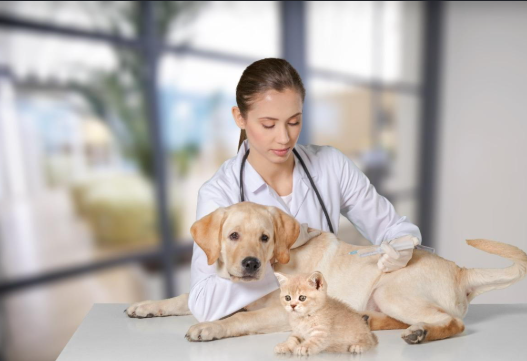
Entrusting a beloved pet to surgical care is never a decision taken lightly, and understanding what genuinely distinguishes a qualified, trustworthy animal surgeon from a less experienced practitioner helps pet owners make more informed decisions during what is often an already stressful time for the whole family.
Why Surgical Specialization Matters Beyond General Veterinary Training
While all licensed veterinarians receive some surgical training as part of general education, veterinarians who have pursued additional specialized surgical training or who perform surgical procedures regularly as a significant part of their practice typically develop meaningfully more refined technical skill and judgment compared to general practitioners who perform surgery only occasionally as one part of a broader general practice.
See also: Best Massage Chairs with Heat Therapy in Pakistan | Highlife
How Case Volume and Experience Translate to Better Outcomes
Surgeons who regularly perform specific types of procedures generally develop better pattern recognition for potential complications, more refined technique efficiency that can reduce anesthesia time and associated risk, and generally more confident, practiced execution compared to surgeons encountering a specific procedure type only rarely, making relevant case volume and experience genuinely worth asking about directly.
Why Pre-Surgical Communication Quality Matters Significantly
A genuinely good surgical experience involves considerably more than technical skill alone; clear, thorough communication before the procedure, covering what to realistically expect, potential risks specific to your pet’s individual circumstances, and clear post-operative care instructions, meaningfully affects both pet owner confidence and actual recovery outcomes through better owner understanding and compliance with aftercare requirements.
For those researching surgical care options, this overview of animal surgeon services covers the surgical capabilities and approach to client communication throughout the surgical care process.
Considering Facility Quality Alongside Individual Surgeon Skill
Beyond the individual surgeon’s skill, the broader surgical facility’s equipment quality, anesthesia monitoring capability, and post-operative care infrastructure genuinely affect overall surgical safety and outcomes, making facility quality worth considering alongside surgeon qualifications rather than evaluating surgeon skill entirely in isolation from the surrounding surgical infrastructure.
Frequently Asked Questions
How can pet owners evaluate a surgeon’s specific experience with their pet’s particular procedure? Directly asking about the surgeon’s experience and typical case volume with the specific procedure type your pet needs provides more relevant insight than general practice reputation alone.
Does facility equipment quality genuinely affect surgical safety? Yes, factors like anesthesia monitoring capability and emergency response readiness meaningfully affect surgical safety, making facility infrastructure a legitimate consideration alongside individual surgeon skill.
What should pet owners expect in terms of pre-surgical communication? A thorough discussion of the specific procedure, realistic risks and expected outcomes for your individual pet, and clear post-operative care instructions should all be part of genuine pre-surgical communication.
Final Thoughts
Choosing the right animal surgeon involves weighing relevant experience, communication quality, and surrounding facility infrastructure together, making thorough research well worth the effort given how significantly these factors can affect surgical outcomes for a beloved pet.