Older homes often have a unique character, but maintaining them can require more attention than maintaining a newer property. Aging plumbing fixtures, worn doors, damaged drywall, outdated hardware, loose flooring, and small electrical or carpentry issues can gradually become larger problems if they are ignored. A professional Handyman Miami can help homeowners identify these issues early, complete routine repairs, and keep an older home safe, comfortable, and functional. Regular handyman maintenance is especially valuable because small problems can often be addressed before they lead to expensive repairs or major renovations.
Why Older Homes Need Regular Maintenance
Every home experiences normal wear and tear, but older properties tend to have more maintenance needs because their materials and components have been exposed to years of use.
Paint can peel, wood can deteriorate, doors can become misaligned, caulking can crack, and fixtures can loosen over time. Even minor problems can affect the appearance and functionality of a home.
Regular maintenance allows homeowners to preserve the property’s condition while avoiding unnecessary repair costs.
How a Handyman Can Inspect an Older Home
One of the most useful services a handyman can provide is a general maintenance inspection.
A handyman can walk through the property and look for visible signs of wear, damage, and deterioration. This type of inspection does not replace specialized inspections performed by licensed professionals, but it can identify many everyday maintenance problems that deserve attention.
Checking Doors and Windows
Older doors and windows may become difficult to open and close because of shifting frames, worn hinges, damaged hardware, or years of use.
A handyman can adjust hinges, replace handles, repair minor frame issues, install weatherstripping, and improve the overall operation of doors and windows.
Inspecting Walls and Ceilings
Small cracks, holes, peeling paint, and damaged drywall are common in older homes.
A handyman can repair minor drywall damage, patch holes, smooth surfaces, and prepare walls for repainting.
If significant structural movement or major water damage is discovered, a qualified specialist may be needed to investigate the underlying issue.
Maintaining Older Plumbing Fixtures
Older homes frequently contain aging faucets, shower fixtures, cabinet hardware, and other plumbing-related components.
A handyman can handle many minor maintenance tasks, such as replacing worn fixtures, tightening loose connections, replacing caulking, and addressing small non-structural repairs.
Fixing Leaking Faucets
A dripping faucet may seem insignificant, but continuous leakage wastes water and can eventually damage surrounding surfaces.
Replacing worn washers, cartridges, or fixtures can restore proper operation and help prevent moisture-related damage.
Refreshing Bathroom Caulking
Bathroom caulking deteriorates over time because of constant exposure to moisture.
Old, cracked, or discolored caulk around tubs, showers, sinks, and backsplashes can allow moisture to reach areas that should remain protected.
Removing damaged caulk and applying fresh sealant can improve appearance and provide better moisture protection.
Repairing Older Flooring
Flooring can show significant wear in an older home.
Loose boards, damaged trim, worn transitions, cracked tiles, and other minor flooring problems can affect both appearance and safety.
Fixing Loose Floorboards
Loose boards can create movement and unpleasant noises while also becoming a potential tripping hazard.
Depending on the flooring type and condition, a handyman may be able to secure loose sections and repair minor damage.
Replacing Damaged Trim
Baseboards, door casings, and other trim can become chipped or damaged over the years.
Replacing or repairing damaged trim can give an older room a cleaner appearance without requiring a complete renovation.
Restoring Older Doors and Hardware
Doors are among the most frequently used parts of any home.
Over time, hinges can loosen, handles can become worn, and locks may stop operating smoothly.
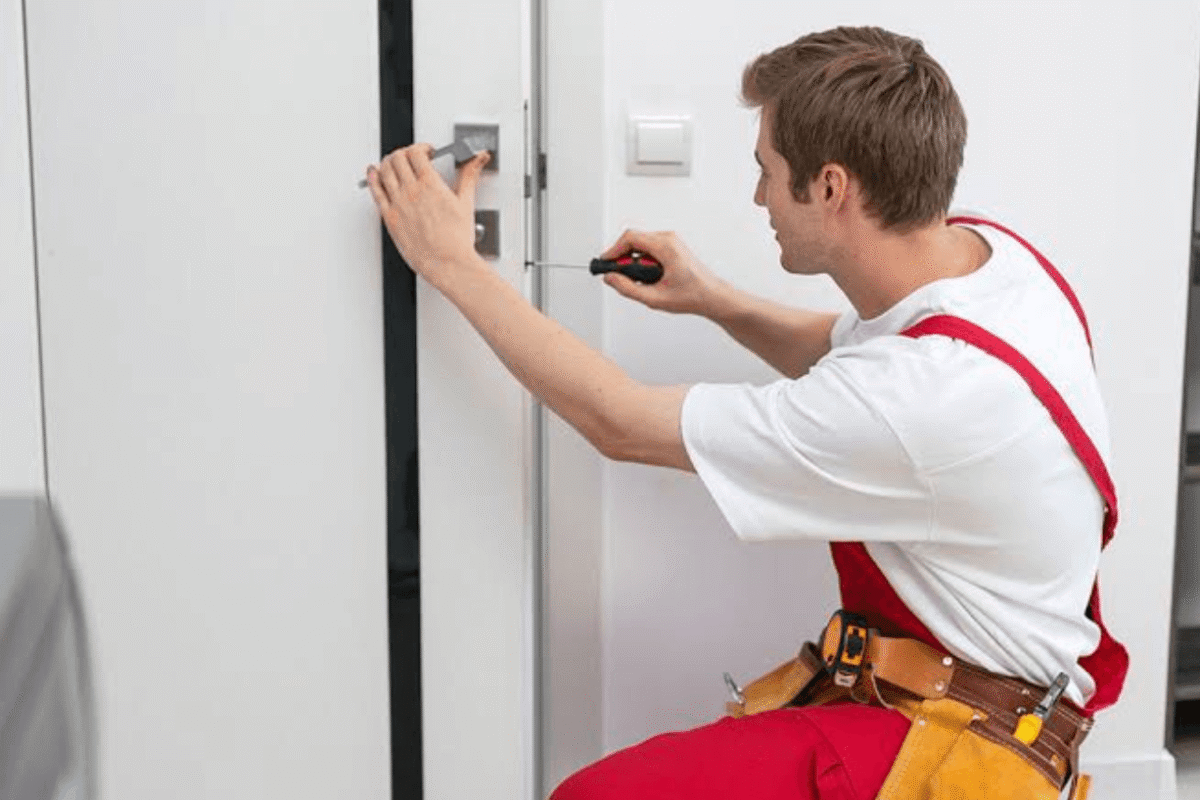
A handyman can replace outdated hardware, adjust hinges, repair minor door damage, and install new handles or other accessories.
These relatively small improvements can make an older home feel more comfortable and functional.
Repairing Drywall and Plaster
Older properties often have walls made from plaster or aging drywall.
Minor holes, cracks, dents, and surface damage can make rooms appear neglected.
A skilled handyman can repair small areas, prepare surfaces, and repaint them to restore a cleaner appearance.
Addressing Water-Stained Walls
Water stains should never simply be painted over without determining their cause.
If the moisture source has already been properly addressed, a handyman may be able to repair and repaint the affected surface.
However, active leaks or significant water damage should be evaluated by an appropriate plumbing, roofing, or restoration professional.
Maintaining Kitchens in Older Homes
The kitchen is one of the busiest areas of a home and often requires frequent maintenance.
Cabinet doors can become loose, drawer hardware can fail, countertops can develop damaged caulking, and backsplashes may need repairs.
Repairing Cabinets and Drawers
A handyman can replace hinges, adjust cabinet doors, repair drawer slides, install handles, and address other minor cabinet problems.
These improvements can extend the useful life of existing cabinets without the expense of a complete kitchen remodel.
Updating Kitchen Hardware
Replacing outdated cabinet pulls, knobs, faucets, and other hardware can provide an older kitchen with a refreshed appearance.
Small improvements can make a noticeable difference while preserving the home’s original character.
Exterior Maintenance for Older Homes
The outside of an older home requires just as much attention as the interior.
Exterior maintenance can include minor repairs to siding, trim, doors, fences, decks, and other visible components.
Repairing Exterior Wood
Wood exposed to rain, sunlight, and humidity can deteriorate over time.
A handyman may repair or replace minor sections of damaged trim, apply appropriate protective coatings, and help maintain exterior wood surfaces.
Severe rot or structural damage may require a specialized contractor.
Maintaining Fences and Gates
Older fences and gates can become loose, damaged, or difficult to operate.
A handyman can tighten hardware, replace hinges, repair minor sections, and adjust gates so they open and close properly.
Improving Home Safety
Safety should be a major priority when maintaining an older property.
As homes age, small hazards can develop without homeowners realizing it.
A handyman can address everyday issues such as loose handrails, damaged steps, unstable shelves, loose cabinet hardware, and other minor hazards.
Installing Grab Bars and Handrails
Grab bars and handrails can provide additional support in bathrooms, stairways, and other areas where stability is important.
Proper installation is essential because these fixtures need to be securely anchored to provide dependable support.
Improving Energy Efficiency
Older homes may have areas where small improvements can reduce drafts and improve comfort.
A handyman can install weatherstripping around doors, apply appropriate caulking around certain openings, repair damaged window screens, and complete other basic maintenance tasks that reduce unwanted air movement.
These improvements may help maintain more consistent indoor temperatures.
Painting and Surface Maintenance
Fresh paint can dramatically improve the appearance of an older home.
Before painting, however, surfaces should be properly prepared.
A handyman can patch minor holes, repair small cracks, sand damaged areas, prime suitable surfaces, and apply new paint.
Preserving the Character of an Older Home
Maintaining an older home does not necessarily mean removing its original character.
A good handyman can focus on repairs that preserve existing architectural features while improving functionality.
Restoring original doors, trim, hardware, and other details can help maintain the property’s unique appearance.
Installing Modern Features Without Major Renovations
Older homes can benefit from modern conveniences without undergoing complete remodeling.
A handyman can install shelves, curtain rods, light fixtures where appropriate, bathroom accessories, smart-home accessories, storage solutions, and other upgrades.
These additions can make the property more convenient while allowing homeowners to retain its traditional style.
Preventing Small Problems From Becoming Expensive Repairs
One of the biggest advantages of regular handyman maintenance is early problem detection.
A loose fixture can eventually cause damage, deteriorating caulk can allow moisture to reach surrounding materials, and a damaged door can become increasingly difficult to operate.
Addressing these problems early is generally easier and less expensive than waiting until extensive damage develops.
Creating a Maintenance Schedule
Older homes benefit from organized maintenance rather than occasional repairs.
Homeowners can work with a handyman to establish a schedule based on the property’s age, condition, materials, and specific maintenance requirements.
Regular seasonal checks can help identify problems before they become urgent.
Seasonal Maintenance Tasks
Spring and fall are often useful times to review common maintenance areas.
Exterior surfaces, doors, windows, caulking, flooring, fixtures, and other frequently used components can be checked for signs of deterioration.
Keeping records of completed repairs can also help homeowners plan future maintenance.
When a Handyman Is Not the Right Professional
Handymen are useful for many general maintenance and repair tasks, but some problems require licensed specialists.
Major electrical work, significant plumbing problems, structural repairs, extensive roofing issues, gas-related work, and other specialized projects should be handled by appropriately licensed professionals.
A responsible handyman will recognize when a job goes beyond general maintenance and recommend the appropriate specialist.
Choosing the Right Handyman for an Older Home
Experience matters when working on older properties.
Look for a handyman who has experience with older construction materials, understands the importance of careful repairs, communicates clearly, and provides transparent estimates.
A good professional should focus on solving the actual problem rather than recommending unnecessary replacements.
See also: How a General Contractor Can Simplify a Home Remodeling Project
Long-Term Benefits of Professional Home Maintenance
Regular handyman services can help homeowners preserve the appearance, functionality, and value of an older property.
Consistent maintenance can extend the life of doors, cabinets, flooring, trim, fixtures, and other components. It can also improve everyday comfort and reduce the number of unexpected repairs.
Most importantly, proactive maintenance gives homeowners greater control over their property’s condition.
Conclusion
Maintaining an older home requires consistent attention, but homeowners do not have to handle every repair themselves. A skilled handyman can help with everything from doors, drywall, cabinets, flooring, and fixtures to exterior maintenance, safety improvements, painting, and general repairs. By addressing small problems early and creating a regular maintenance schedule, homeowners can protect their property’s character while keeping it safe, comfortable, and functional. If you are searching for a reliable Handyman near me, choosing an experienced professional who understands the unique needs of older homes can make ongoing maintenance easier and help protect your home for many years.