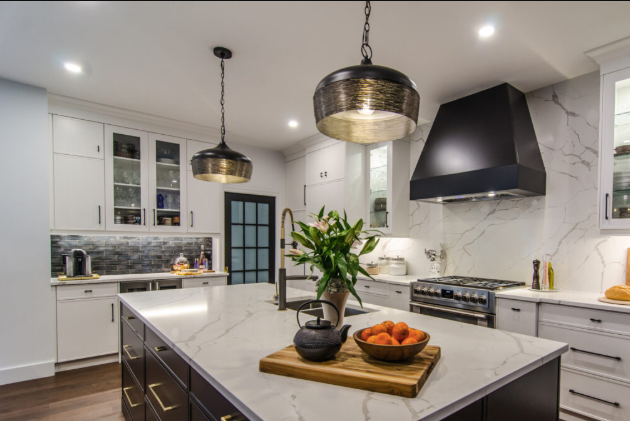
Modern kitchens benefit from a layered lighting strategy that clarifies tasks, tempers ambiance, and highlights design details. Task lights over work zones, ambient ceiling or cove lighting, and selective accents create a balanced, adaptable space. Smart controls and dimmable, color‑accurate fixtures translate everyday routines into precise moments. Daylight coordination and energy efficiency become a routine consideration, guiding fixture placement and color choices. The result invites a thoughtful continuum, where the next decision shapes how the room truly functions.
Why Modern Kitchen Lighting Transforms the Space
Modern kitchen lighting redefines how space functions, guiding tasks with targeted brightness while shaping atmosphere with color and contrast. In this view, lighting drives design intent by aligning with focus groups and market trends, revealing how users value clarity, flexibility, and ambience. The result is collaborative clarity: environments that adapt, inform, and empower choreographies of daily cooking and social interaction.
Layered Lighting: Task, Ambient, and Accent in Action
Layered lighting in modern kitchens orchestrates three primary layers—task, ambient, and accent—so each activity has its own clear illumination. The approach supports layered planning, enabling precise control and flexible zones. Specifics emerge through fixture zoning, guiding where brightness shifts and shadows fall. Collaboration between design and function yields adaptive atmospheres, fostering freedom while maintaining efficiency and visual clarity.
Practical Fixtures and Tech for Efficient Kitchens
Practical fixtures and smart technologies streamline kitchen workflows by pairing reliable performance with intuitive control.
The approach favors modular, budget friendly components and scalable systems that adapt to evolving routines.
smart controls enable centralized management of lighting scenes, task zones, and energy use, while durable fixtures reduce maintenance.
Collaboration among devices supports precise timing, predictable results, and a quieter, more productive kitchen environment.
Designing for Daylight, Color, and Energy Savings
Designing for daylight, color, and energy savings centers on aligning natural and artificial light to heighten clarity, mood, and efficiency in modern kitchens.
Collaboration informs placements that optimize daylight access, while precise controls balance color psychology and task needs.
The design daylight approach reduces energy use without compromising ambiance, inviting freedom in expression through adaptable, intelligent fixtures that support varied cooking and social rhythms.
Frequently Asked Questions
What Ceiling Height Suits Recessed Kitchen Lighting Best?
A ceiling height of 8 to 9 feet suits recessed lighting layout best, providing balanced illumination and avoiding glare. It explores ceiling height options while designers evaluate spacing, lumen levels, and fixture trim, ensuring collaborative, innovative, and freedom-focused planning.
How Many Lumens per Square Meter for Kitchens?
Lumen planning suggests about 300–400 lumens per square meter for general kitchen illumination; higher for task zones. Kitchen illumination strategies reveal truth: balancing ambient and focused light enhances visibility, mood, and collaboration in modern spaces, empowering creative, freedom-loving occupants.
Can Smart Bulbs Affect Color Accuracy in Kitchens?
Smart bulbs can influence color accuracy, depending on color rendering indices and tunability in kitchen lighting. They enable collaborative control toward true hues, balancing ambient and task lighting to preserve color rendering while supporting a freedom-loving, innovative design approach.
Which Color Temperatures Work for Food Preparation Areas?
Cool, purposeful warmth; 3500–4000K supports safe food prep, while 2700K creates atmosphere—depending on tasks. The answer considers temperature nuances and task lighting, guiding collaborative freedom; the suspense lingers as precise choices empower cooks and designers alike.
See also: Crypto as the Future of Money
Do Dimmers Save Energy in Kitchen Lighting Setups?
Dimmer compatibility can reduce energy use by lowering light output; however, savings vary with fixture type and usage. Energy saving strategies emphasize LED luminaires and smart controls, enabling precise schedules, occupancy sensing, and manual overrides while preserving essential task visibility.
Conclusion
In the kitchen, light becomes a quiet collaborator, shaping rhythm without overt instruction. Like a well-titted orchestra, layered tones—task, ambient, accent—align with minutes and meals, guiding hands and eyes in harmony. Daylight dances with color-accurate fixtures, while smart controls keep energy use in check, quietly attentive to habit. The space speaks in adaptable hues, inviting collaboration among cooks, designers, and dwellers, each episode of use refracted through a shared, evolving glow. A future of luminous, intentional rooms.